
If you've worn acrylic for a while and you're considering a switch, the process itself matters more than the decision — done right, it's straightforward; rushed, it's the main way people damage their natural nail plate.
Start with a proper removal, not a fresh set over old product
We don't offer acrylic, so switching starts with taking your existing set off completely and correctly — soaked off with acetone and gently worked free, never filed down aggressively or pried off. See our no-acrylic explainer for why removal technique, not the material itself, is where most of the real damage risk actually lives.
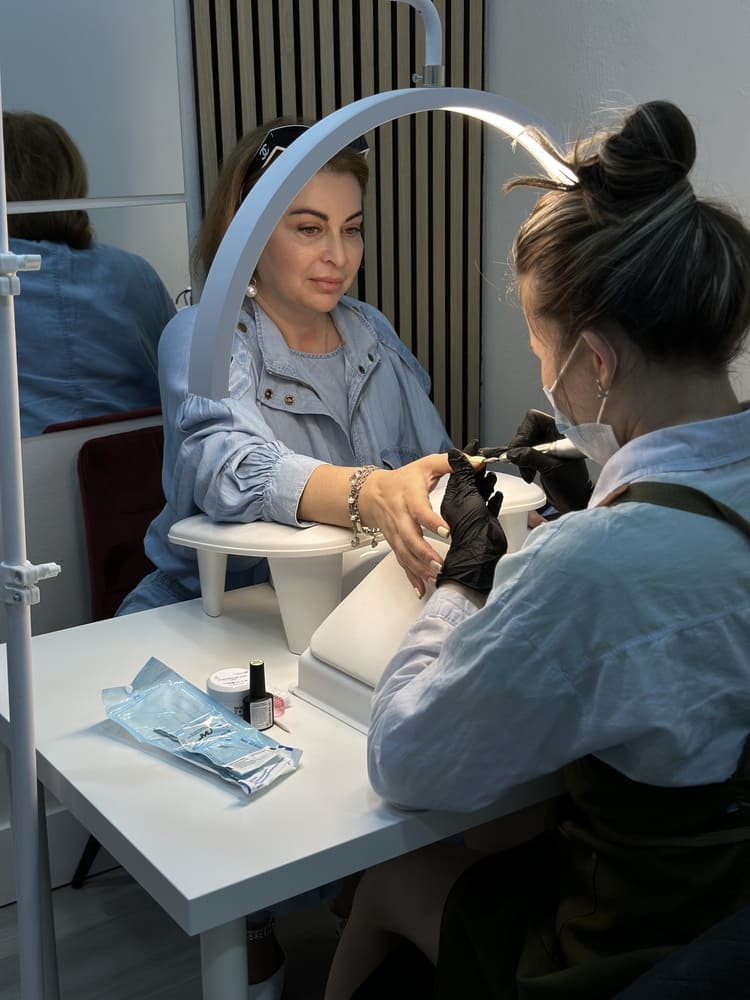
Give your natural nail a short recovery window
Your nail underneath has been covered for a while, so it's normal for it to look thinner or feel more flexible right after removal — that's the natural nail adjusting, not new damage. A week or two of bare recovery (cuticle oil daily, no immediate reapplication) gives it a chance to firm back up before your first gel service.
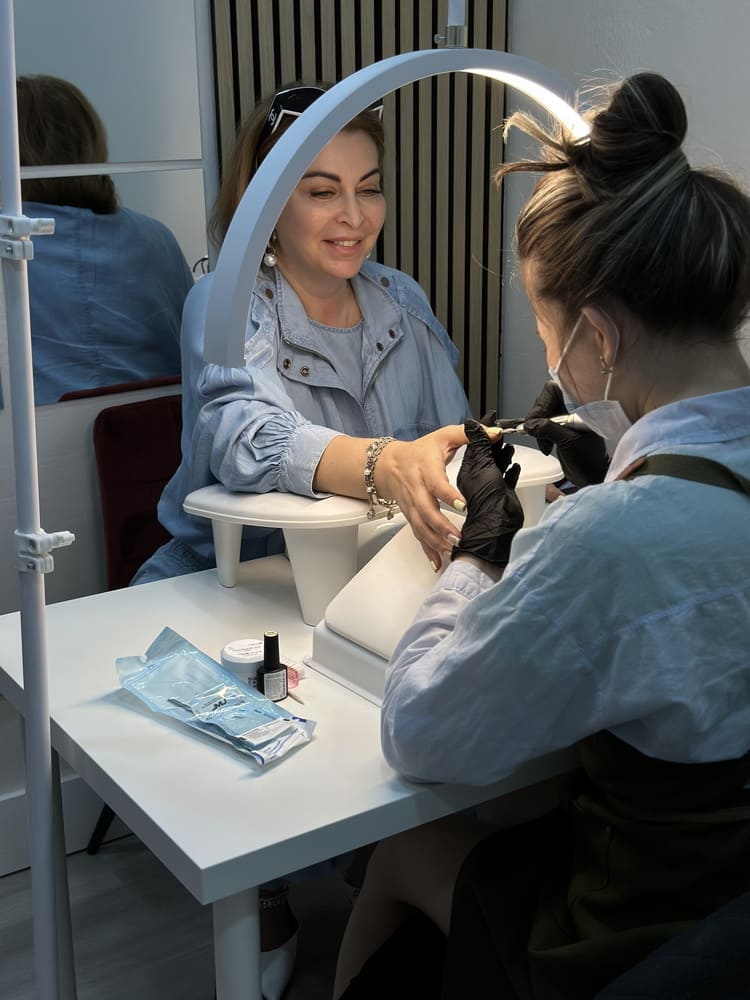
What gel feels like by comparison
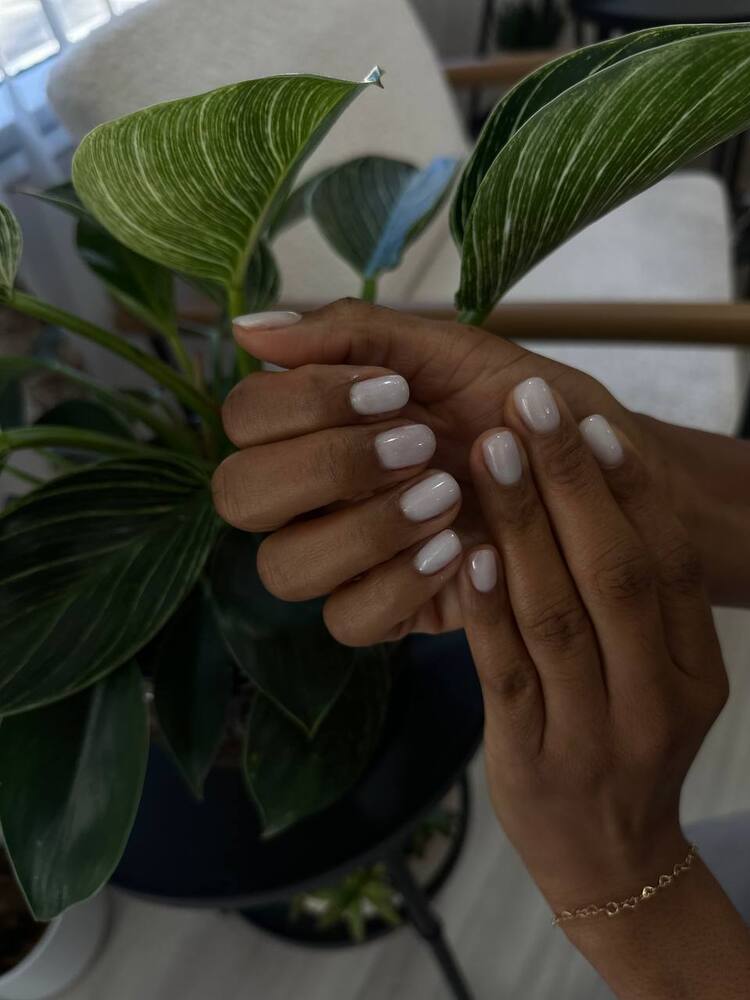
Gel cures under UV/LED light into a noticeably more flexible layer than acrylic — it moves with your nail instead of resisting it, which is the main thing returning acrylic clients comment on. You have the same shape/length choices as before: a Gel Nail Extension for added length, or a Russian Gel-Overlay if your natural nail is a length you're happy with already.

What we'd tell you at your first visit
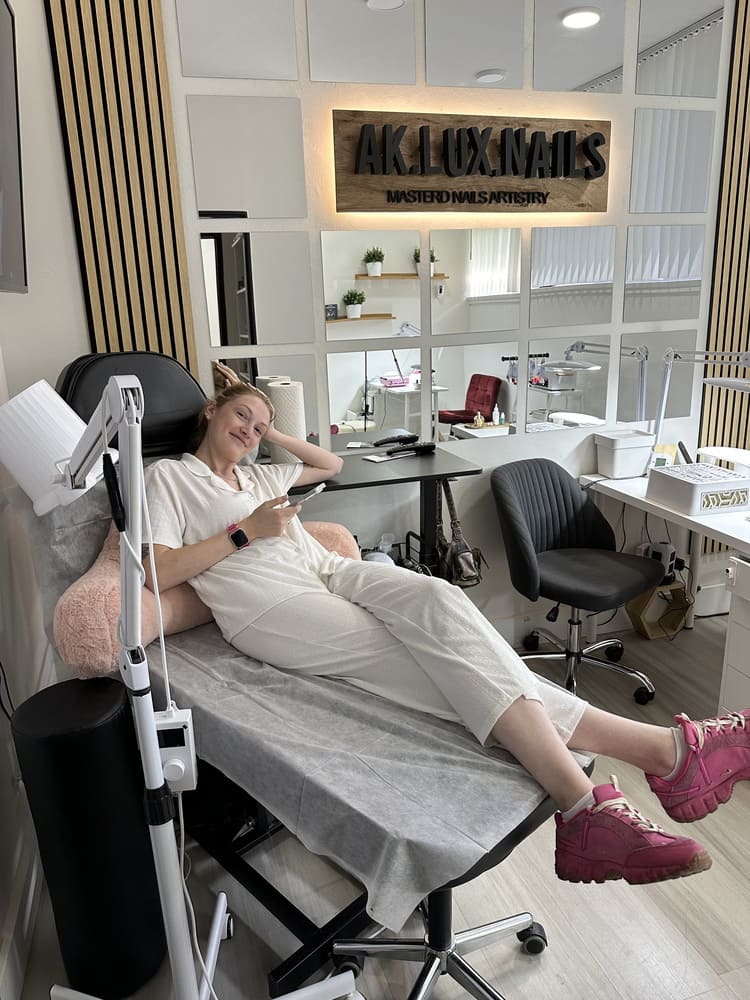
Bring your current set in as-is — don't try to remove it yourself first. A professional soak-off is faster, gentler on the nail plate, and lets us actually see the condition of your natural nail before recommending what to book next. You can see the full menu and book online at our Downtown San Diego nail studio.
Ready to make the switch?